

Follow this simple 30-day Stock Market Learning plan to go from zero knowledge to confidently trading in the Indian stock market.
From Zero to Trader: A 30-Day Stock Market Learning Plan for Beginners in India
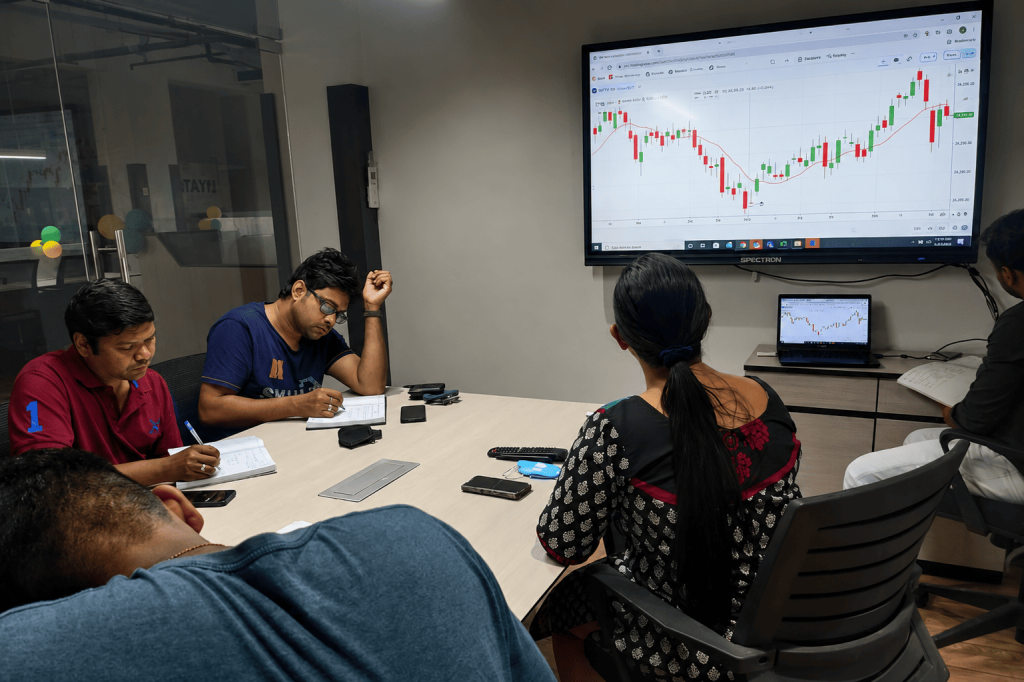
“Sir, kitne din mein trading seekh sakte hain?” — This is probably the most common question we get at IITA Mumbai. And while true mastery of the market takes months of consistent practice, you absolutely can build a strong foundation in 30 days if you follow a structured approach. Here’s a realistic, day-by-day style roadmap we recommend to beginners starting our stock market course in Mumbai.
Why a Structured 30-Day Stock Market Learning Plan Works Better Than Random Learning
Most beginners fail not because the market is impossible to understand, but because they learn randomly — a YouTube video here, a random blog there, a tip from a friend somewhere else. Without structure, concepts don’t connect, and confidence never builds. A focused 30-day plan ensures you build knowledge layer by layer, exactly the way we structure our share market classes in Mumbai.
Week 1 (Days 1-7): 30-Days Stock Market Plan for Building the Foundation
The first week should focus entirely on understanding how the market works — no trading yet.
What to learn:
- What stocks, shares, and the stock market actually are
- Difference between BSE and NSE
- What Sensex and Nifty represent
- How to open a Demat and Trading account
- Basic market terminology (bid, ask, volume, market cap, etc.)
Practical action: Open your Demat account this week if you haven’t already, and simply explore your broker’s trading app without placing any real trades yet. Familiarize yourself with the dashboard, watchlists, and order types.
This foundational week is critical — rushing past it is one of the biggest mistakes we see among self-taught traders who skip straight to strategies without understanding the basics.
Week 2 (Days 8-14): 30-Days Stock Market Plan for Understanding Technical Analysis Basics
Once the fundamentals are clear, it’s time to start learning how to read charts — a core focus of our technical analysis course in Mumbai.
What to learn:
- How to read candlestick charts (especially useful through a candlestick chart course in Hindi if you’re more comfortable learning in Hindi)
- Support and resistance levels
- Basic chart patterns (trends, ranges, breakouts)
- Volume analysis basics
- Introduction to price action trading course concepts
Practical action: Start observing live charts daily, even for just 20-30 minutes. Try to identify support and resistance zones on 2-3 stocks you’re familiar with. Don’t trade yet — just observe and note down patterns.
Week 3 (Days 15-21): 30-Days Stock Market Plan for Learning Risk Management and Strategy Basics
This is arguably the most underrated week in most self-learning journeys, yet it’s the most important. Without proper risk management, even the best technical analysis skills won’t save your capital.
What to learn:
- Position sizing (how much capital to risk per trade)
- Stop-loss placement strategies
- Risk-reward ratio calculations
- Difference between intraday trading and long-term investing
- Introduction to options basics (if pursuing an option trading course in Mumbai later)
Practical action: Start paper trading (virtual trading with fake money) using your broker’s demo mode or a simulator. Apply the risk management rules you’ve learned — like never risking more than 1-2% of capital on a single trade — even in simulation, so it becomes a habit.
Week 4 (Days 22-30):30-Days Stock Market Plan for Practice, Journaling, and Building a Trading Plan
By the final week, you should shift focus from pure learning to practical application and self-review.
What to learn:
- How to build a personal trading plan (entry rules, exit rules, risk limits)
- How to maintain a trading journal
- Basics of market psychology and emotional discipline
- Reviewing your paper trades from Week 3 to identify mistakes and patterns
Practical action: Continue paper trading, but now start journaling every trade — your reasoning for entry, your stop-loss, your target, and the actual outcome. Review this journal at the end of the week to spot recurring mistakes, such as exiting winning trades too early or ignoring your own stop-loss rules.

After 30 Days: What’s Next?
Completing this 30-day plan doesn’t make you an expert — nobody becomes a consistently profitable trader in a month. But it does give you a strong, structured foundation that most self-taught beginners take much longer to build on their own, often through costly trial and error with real money.
From here, the natural next steps include:
- Continuing paper trading for another few weeks before going live
- Gradually starting with very small capital in live markets
- Exploring specialized areas like intraday trading course in Mumbai, swing trading, or options based on your interest and risk appetite
- Considering NISM certification course Mumbai programs if you want formal, recognized credentials alongside practical skills
Why Structured Guidance Speeds Up This Process
While it’s entirely possible to follow this roadmap independently using free resources, most beginners find the process significantly faster and more effective with structured guidance. At our stock market training institute in Mumbai, students follow a similar 30-day style curriculum but with live mentorship, doubt-clearing sessions, and real-time market practice — which helps avoid the common trial-and-error losses that self-taught traders often experience.
We also offer weekend share market classes in Mumbai for working professionals who can’t commit to weekday learning, ensuring the 30-day journey fits into busy schedules without compromising on depth.
A Realistic Expectation Check
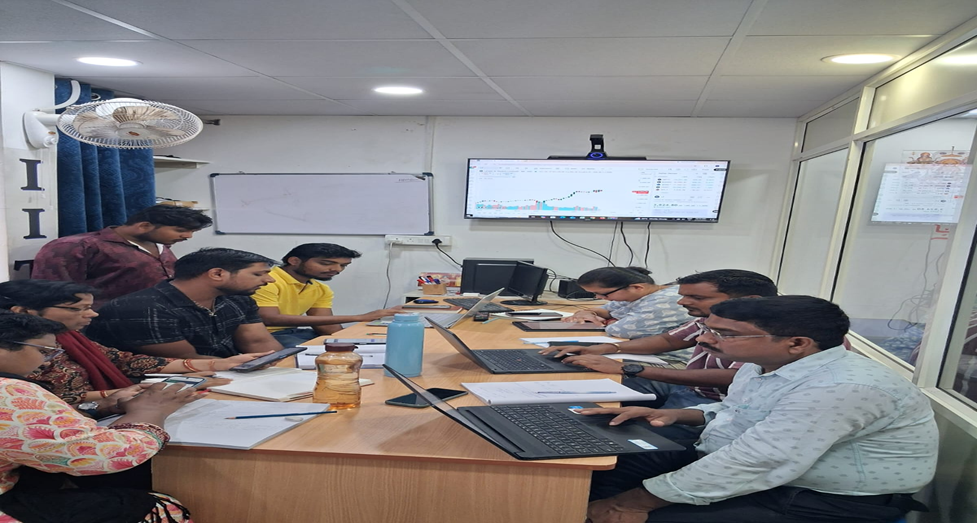
It’s important to set the right expectations. Thirty days is enough to understand how the market works, build basic chart-reading skills, and develop disciplined habits — but consistent profitability typically takes several months of continued practice, review, and refinement. Anyone promising guaranteed quick riches in 30 days is not being honest with you. What this plan does give you is a genuine head start over the vast majority of retail traders who jump in without any structured learning at all.
Final Thoughts
Going from zero market knowledge to a confident, informed beginner trader is absolutely achievable in 30 days if you follow a structured, disciplined approach rather than random, scattered learning. Focus on fundamentals first, build technical skills gradually, prioritize risk management, and practice consistently through paper trading before risking real capital.
📞 Book Your Free Career & Market Guidance Session Today!
Not sure where to begin? Speak with our academic counselors and discover the right learning path based on your goals.
📍 Mumbai Office: Crystal Plaza, Opposite Infinity Mall, Andheri West, Mumbai
💻 Training Mode: 100% Live Online Classes
📞 Call / WhatsApp: +91 84520 18280 , +91 91870 98700
🌐 Website: https://iita.tech/stockmarket-course-in-mumbai/
📸 Follow us on Instagram: @stockmarketcourse_iita
Subscribe to Our YouTube Channels: 🔹 IITA Official: www.youtube.com/@iitab 🔹 Sudha Das (Market Learning): www.youtube.com/@sudhadas8420 🔹 www.youtube.com/@subratdas2506
Disclaimer: Stock market trading involves financial risk. This article is for educational purposes only and is not investment advice.