

Learn how busy working professionals in Churchgate are picking up trading part-time — realistic schedules, learning strategies, and practical tips from IITA.
How Working Professionals in Churchgate Learn Trading Part-Time
Churchgate has always been a hub of hustle — commuters rushing in and out of the station, professionals darting between meetings in the surrounding business district, and a pace of life that rarely slows down. Yet increasingly, many of these same busy professionals are carving out time to learn something new: the stock market. This article explores how part-time trading for working professionals actually works in practice, and how people with demanding 9-to-6 jobs are making it happen.
Why Part-Time Trading Appeals to Working Professionals
Not everyone wants to quit their job to trade full-time, and that’s completely reasonable. Part-time trading for working professionals offers a way to build an additional skill and potential income stream without giving up the stability of a full-time salary. For many in Churchgate’s banking, legal, and corporate sectors, trading also offers an intellectually engaging pursuit that complements — rather than replaces — their primary career.
The Realistic Time Commitment
One of the biggest myths about trading is that it requires being glued to a screen all day. In reality, part-time trading for working professionals can be structured around a busy schedule in several ways:
Before Work
Many professionals review overnight global market cues and set their watchlist before the market opens, using the first 30-45 minutes after opening — often manageable before heading into the office — to place planned trades.
During Lunch Breaks
A quick 15-20 minute check during lunch allows professionals to monitor open positions and make adjustments without disrupting their workday significantly.
After Market Hours
Since Indian equity markets close by mid-afternoon, evening hours are typically used for reviewing the day’s performance, studying charts, and planning strategy for the next session — a routine that fits naturally into the Churchgate commute home.
Weekends for Deep Learning
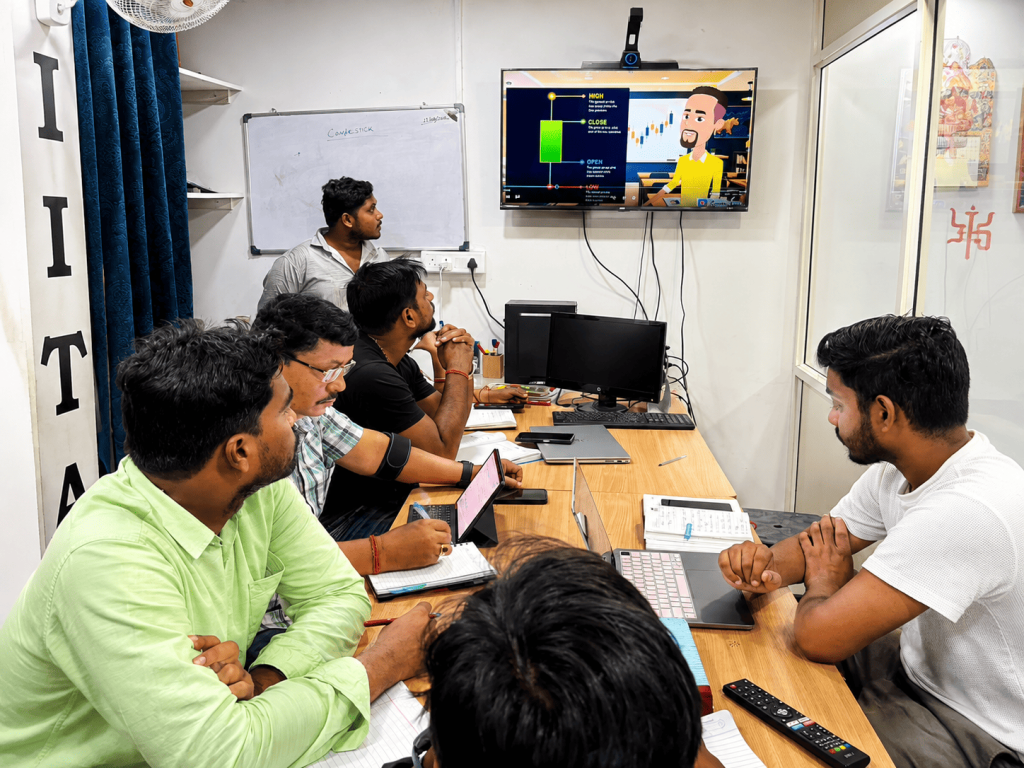
Saturdays and Sundays become the primary time for structured learning — attending classes, backtesting strategies, and reviewing the week’s trades in detail without work distractions.
Choosing a Trading Style That Fits a Part-Time Schedule
Not all trading styles suit a working professional’s schedule. Part-time trading for working professionals tends to work best with:
- Swing Trading: Positions held for several days to weeks, requiring less constant monitoring than intraday trading
- Positional Investing: Longer-term holdings based on fundamental analysis, ideal for those with very limited daily screen time
- Selective Intraday Trading: Some professionals do trade intraday, but usually limit themselves to the first hour after market open when they have available time
Full-time intraday trading, which demands continuous monitoring throughout the session, is generally difficult to combine with a demanding corporate job.
How Churchgate Professionals Are Getting Started
Step 1: Building Market Literacy First
Before placing any trades, most professionals invest time in understanding market basics — how the exchange works, what moves stock prices, and how to read financial news critically rather than reactively.
Step 2: Enrolling in Structured Weekend or Evening Classes
Since weekday evenings and weekends are the most available windows, many working professionals opt for classes scheduled specifically around these hours, allowing them to learn without conflicting with office commitments.
Step 3: Practicing With Small Capital
Rather than committing significant funds immediately, part-time trading for working professionals typically starts with small position sizes, allowing mistakes to happen without major financial consequences while the learning curve plays out.
Step 4: Automating What Can Be Automated
Setting stop-loss and target orders in advance allows trades to execute even when a professional is unavailable during work hours, reducing the need for constant monitoring.
Common Challenges Faced by Part-Time Traders
- Limited screen time during market hours, making certain fast-moving intraday opportunities harder to capture
- Fatigue after a full workday, which can affect the quality of evening analysis and decision-making
- Difficulty staying updated with breaking news that moves markets during office hours
- Balancing emotional discipline when checking positions infrequently, which can lead to either overreacting or under-monitoring risk
Tips for Sustainable Part-Time Trading
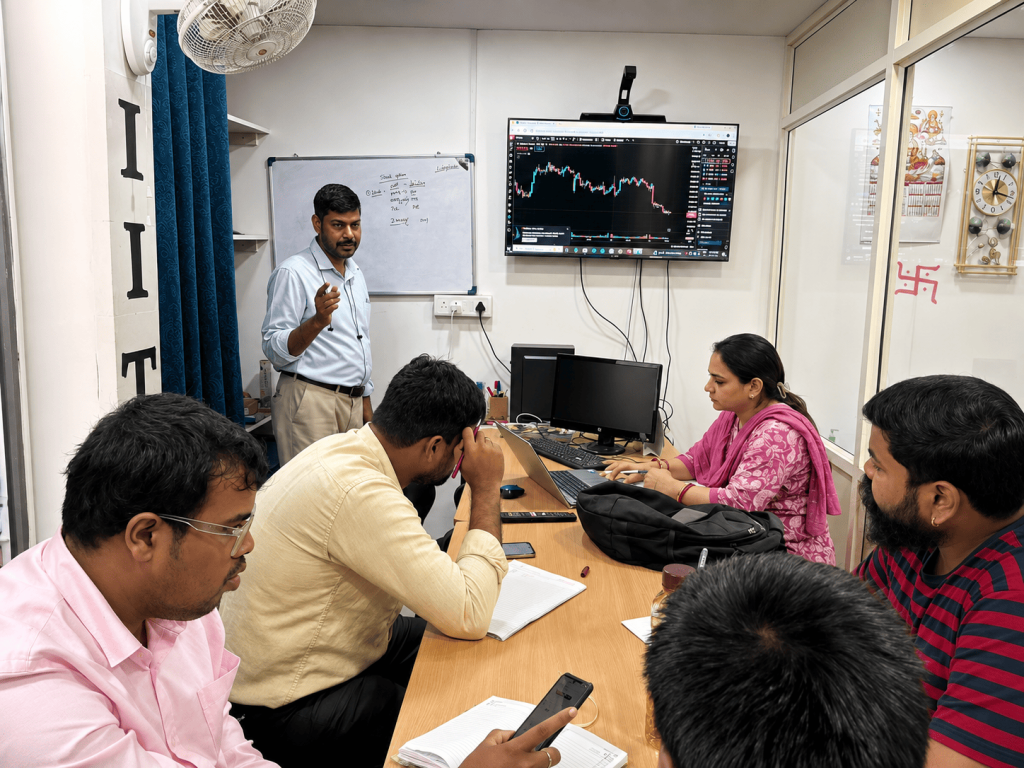
- Set a fixed, realistic time budget each week for learning and trading rather than trying to do everything
- Use swing or positional strategies that don’t require constant market watching
- Keep a simple trading journal to track decisions and outcomes, reviewable during weekends
- Avoid checking prices obsessively during work hours, which can hurt both job performance and trading discipline
Why Structured Courses Help Busy Professionals
Learning to trade independently through scattered online content can take significantly longer and lead to inconsistent results. Structured courses designed with part-time trading for working professionals in mind — offering weekend batches, recorded sessions, and mentor support — help condense the learning curve into a more manageable, efficient timeline.
Final Thoughts
Part-time trading for working professionals in Churchgate and across Mumbai is entirely achievable with the right approach — realistic scheduling, an appropriate trading style, and structured education that respects the constraints of a full-time job. It’s not about finding more hours in the day; it’s about using the hours you already have more intentionally.
Frequently Asked Questions
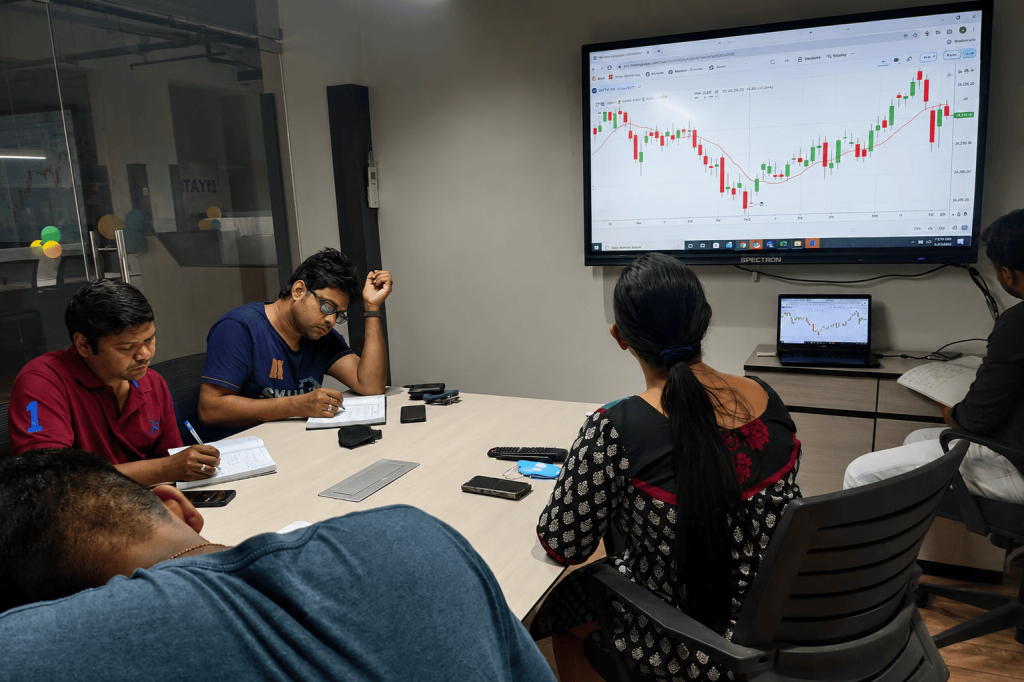
1. Can I really learn part-time trading for working professionals with a full-time job? Yes, many professionals successfully learn trading part-time by dedicating evenings and weekends to study and practice, while using swing or positional strategies that don’t require constant monitoring.
2. Which trading style is best for busy professionals? Swing trading and positional investing are generally best suited for part-time trading for working professionals, since they require less constant screen time compared to intraday trading.
3. How many hours per week should I dedicate to learning? Most successful part-time learners dedicate at least 5-8 hours weekly, combining structured classes, chart practice, and trade review, though this can be adjusted based on your schedule.
4. Do I need to watch the market constantly during work hours? No. Using stop-loss and target orders set in advance allows trades to run even when you’re unavailable, reducing the need for constant monitoring during office hours.
5. Where can working professionals in Churchgate find suitable trading classes? Look for institutes offering weekend or evening batches with both offline and online options, such as IITA, which cater specifically to the schedules of working professionals.
📞 Book Your Free Career & Market Guidance Session Today!
Not sure where to begin? Speak with our academic counselors and discover the right learning path based on your goals.
📍 Office: Andheri West, Mumbai
💻 Training Mode: Both Offline & Online Classes available
📞 Call / WhatsApp: +91 84520 18280, +91 91870 98700
🌐 Website: https://iita.tech/stockmarket-course-in-mumbai/
📸 Follow us on Instagram: @stockmarketcourse_iita
Subscribe to Our YouTube Channels: 🔹 IITA Official: https://www.youtube.com/@iitab 🔹 Sudha Das (Market Learning): https://www.youtube.com/@sudhadas8420 🔹 Subrat Das: https://www.youtube.com/@subratdas2506
Disclaimer: Stock market trading involves financial risk. This article is for educational purposes only and is not investment advice
IITA – https://iita.tech/stockmarket-course-in-mumbai/